
Alpha Olefin Sulfonate (AOS) and Sodium Laureth Ether Sulfate (SLES) stand as two pillars among anionic surfactants in global detergent and personal care manufacturing. While their functional roles frequently overlap, they exhibit distinct performance behaviors, formulation compatibilities, and regulatory profiles that make them far from interchangeable.
For manufacturers and purchasing managers, the challenge is not determining which surfactant is universally “better,” but rather identifying where each excels, where its limitations lie, and how its selection impacts total formulation economics and market positioning.
AOS vs SLES: Quick Comparison
| Parameter | AOS | SLES |
|---|---|---|
| Chemical Type | Anionic surfactant | Anionic surfactant |
| Physical Form | Powder / needles | Liquid / Paste |
| Active Matter Content | 90%+ | 28% / 70% |
| Foaming Profile | Strong, flash foam, fast-breaking | Rich, dense, creamy, and stable |
| Hard Water Tolerance | Excellent | Moderate (sensible to minerals) |
| Mildness Profile | Moderate | Higher (highly adjustable via ethoxylation) |
| Cost Structure | Medium to High | Low to Medium |
| Sulfate-Free Claims | Potentially compliant (region-dependent) | Strictly non-compliant |
Technical Overviews
What Is AOS?
Alpha Olefin Sulfonate (AOS) is produced through the continuous sulfonation of linear alpha-olefins. This chemical structure grants it exceptional detergency, high electrolyte tolerance, and unmatched stability in hard water environments. Unlike traditional options, AOS retains its washing efficiency even in mineral-rich water or highly alkaline systems, making it highly effective for:
- Heavy-duty laundry and automatic dishwashing detergents
- Industrial and institutional (I&I) cleaning systems
- High-concentration liquid formulations
Formulation Note: AOS generates a sharper, faster-breaking foam profile, which may necessitate rheology and sensory modifiers in applications where a luxurious skin-feel is required.
What Is SLES?
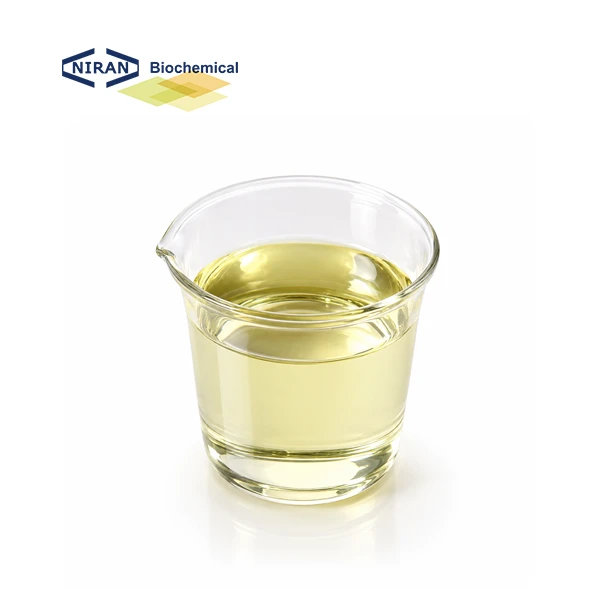
Sodium Laureth Ether Sulfate (SLES) is an ethoxylated alkyl ether sulfate prized for its balanced performance, cost efficiency, and outstanding formulation flexibility. Its structural advantages include:
- The ability to generate a dense, creamy, and long-lasting lather preferred by consumers
- Excellent synergistic response when paired with amphoteric and non-ionic co-surfactants
- Favorable handling properties and easy dilution in automated liquid production lines
SLES remains the global benchmark ingredient for standard consumer goods, including shampoos, body washes, liquid hand soaps, and mainstream household liquid detergents. Its primary limitation, however, is a noticeable drop in performance when exposed to hard water conditions unless supported by chelation chemistry.
Strategic Selection Guide: Application & Market Context
In commercial R&D, selecting between AOS and SLES is rarely a matter of simple chemical preference. Instead, it requires a balanced evaluation of end-use demands, regional water quality, and target retail pricing.
1. Liquid Detergents (Laundry & Household Care)
The choice between these two surfactants in liquid detergents hinges heavily on target water conditions and regional product tiering.
- The Case for AOS: AOS thrives where water quality is unpredictable. It maintains its cleaning power and foam stability in hard water without requiring heavy loading of builders or chelating agents. This efficiency helps simplify formulas, especially in concentrated or premium liquids, and ensures consistent product performance across different export regions.
- The Case for SLES: SLES remains the standard for cost-sensitive, high-volume mass markets. Its cost-per-ton profile is highly competitive, and it integrates seamlessly into high-throughput blending plants. However, when deployed in hard water zones, the required addition of chelators or builders can narrow the initial raw material cost advantage over AOS.
Commercial Strategy: Utilize SLES for mass-market products bound for soft-water regions. Pivot to AOS or AOS-dominant blends for high-performance concentrates, eco-cleaners, or products exported to regions with variable water quality.
2. Personal Care (Shampoos, Body Washes & Cleansers)
In the personal care segment, consumer sensory perception—specifically lather quality and skin compatibility—takes precedence over sheer degreasing power.
- SLES Domination: SLES excels in creating the dense, rich foam that consumers equate with high-quality cleansing. Furthermore, its mildness is easily optimized by blending it with co-surfactants like Cocamidopropyl Betaine (CAPB).
- AOS Positioning: AOS produces a flashier, less “luxurious” foam that can feel stripping if not carefully balanced. Consequently, it is rarely used as a primary surfactant in personal care. Instead, formulators introduce it strategically at lower percentages to boost cleaning efficiency or to support alternative product claims.
Commercial Strategy: Maintain SLES as your primary chassis for mainstream personal care lines. Treat AOS as a functional secondary surfactant to differentiate specialized, high-cleansing, or alternative-label formulas.
3. Industrial & Heavy-Duty Cleaning
For demanding technical applications, AOS is structurally superior to SLES.
- AOS Performance: Its high tolerance to salts, stable performance across a wide pH range, and robust grease-cutting capabilities make it the preferred choice for industrial degreasers, vehicle washes, and institutional cleaners. It also resists breakdown under temperature fluctuations during storage and application.
- SLES Limitations: SLES lacks the rugged chemical stability required for high-alkalinity or high-electrolyte industrial environments, making it unsuitable as a primary surfactant in heavy-duty systems.
Commercial Strategy: For industrial degreasers, technical cleaning agents, and heavy-duty formulations, AOS is the clear and reliable choice.
4. High-Hardness Water Markets
In regions characterized by hard water infrastructure—such as parts of Africa, the Middle East, and Latin America—water hardness directly dictates how consumers perceive a product’s value.
- If a product is formulated with SLES alone, the minerals in the water will cause the foam to collapse rapidly and impair detergency, potentially damaging brand reputation.
- AOS-based formulations bypass this issue entirely, delivering consistent lather and cleaning power regardless of local mineral content.
Commercial Strategy: When formulating for export to high-water-hardness territories, utilizing AOS or AOS-rich active blends provides a significant performance safeguard for your brand.
Product Positioning and Regulatory Compliance
Modern surfactant selection must align with regional labeling laws and marketing trends just as much as technical performance.
- Sulfate-Free Positioning: SLES is an ethoxylated alkyl sulfate, meaning it is strictly excluded from “sulfate-free” product lines. AOS occupies a distinct chemical category (sulfonates, not sulfates). While it offers excellent potential for sulfate-alternative or reduced-sulfate positioning, manufacturers must navigate regional marketing standards carefully, as “sulfate-free” definitions can vary between the US, EU, and Asian markets.
- Regulatory Status: Both materials enjoy widespread approval under major global frameworks (including REACH in the EU and FDA/EPA guidelines in the US). SLES benefits from decades of regulatory familiarity in cosmetics, whereas shifting to AOS in personal care requires precise ingredient disclosure and careful positioning of marketing claims.
- Market Evolution: While the mass market continues to rely heavily on SLES for basic cost efficiency, premium and “clean-label” segments are gradually shifting toward AOS-blended systems to balance performance with evolving consumer expectations.
Cost Optimization and Formulation Economics
From a purchasing perspective, evaluating these surfactants based solely on price-per-ton is a misstep. Formulators must look at the total system cost.
- SLES Economics: SLES offers low upfront raw material costs, universal global supply availability, and effortless cold-processing in its 28% liquid form (or standard dilution of the 70% paste).
- AOS Economics: AOS is typically traded as a high-active powder or needle form (90%+ active matter). While its unit price is higher, its concentrated form means reduced shipping volumes and less water weight in transit. Furthermore, because it functions independently of heavy builder systems in hard water, it can reduce or eliminate the need for costly secondary additives like EDTA or phosphonates.
Expert Insight: In modern compounding, the choice is rarely binary. The most advanced formulations often utilize an AOS/SLES optimized blend. This cooperative system captures the rich, premium lather of SLES while leveraging the hard-water resilience and degreasing power of AOS, yielding an optimized cost-to-performance ratio.
Frequently Asked Questions
Is AOS universally better than SLES?
No. AOS outperforms SLES in hard water, high-temperature, and industrial settings. However, SLES remains the superior choice for cost-sensitive consumer products and formulations where foam texture and mildness are paramount.
Can AOS serve as a 1:1 replacement for SLES?
No, a direct drop-in replacement is rarely successful. Due to differences in active content, rheological behavior (thickening response to salt), and foam aesthetics, a full substitution requires adjusting the co-surfactants and thickeners within the formula.
Why does SLES maintain its dominant market share?
SLES provides an unmatched combination of low cost, ease of processing, excellent thickening response to simple sodium chloride, and a familiar consumer foam profile that is difficult to replicate cheaply.
Is AOS considered a sulfate?
No. Chemically, AOS is a sulfonate, meaning the sulfur atom is bonded directly to a carbon atom, whereas sulfates contain a carbon-oxygen-sulfur linkage. This structural difference is why AOS can be utilized in many alternative or sulfate-reduced brand strategies.
Conclusion
AOS and SLES are complementary tools rather than direct competitors. The ideal choice rests on a clear assessment of your target application, regional water conditions, regulatory goals, and strict cost-in-use calculations. Formulators who move past treating them as simple substitutes—and instead leverage their specific strengths or blend them synergistically—achieve more stable, high-performing, and market-competitive products.
As an experienced partner in global chemical distribution, Niran Biochemical supplies high-purity AOS and SLES variants tailored to comply with international regulatory frameworks and specific performance requirements. Contact our technical team to optimize your next formulation batch.