
| CAS Number | 99-76-3 |
|---|---|
| Chemical Formula | C₈H₈O₃ |
| INCI Name | Methylparaben |
| Appearance | White Crystalline Powder or Granules |
| Packaging | 25kg Bag / 25kg Fiber Drum |
| MOQ | 1000 KG |
| Shelf Life | 2 Years |

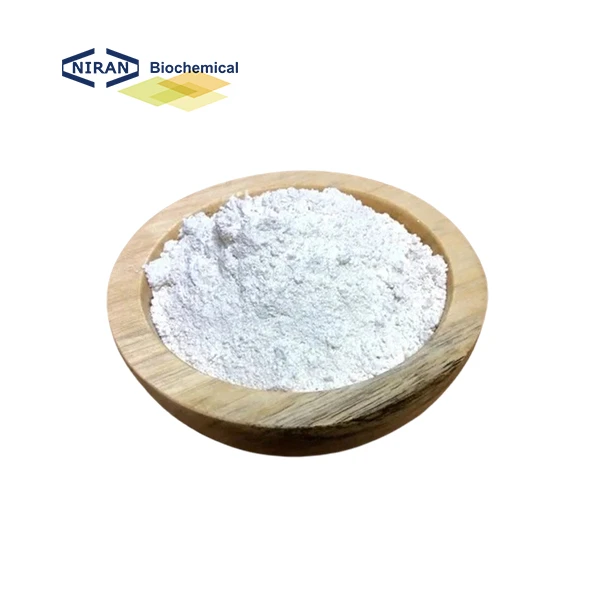
Methyl Paraben
Methyl Paraben Bulk Supplier
Niran Bio is a professional Methyl Paraben supplier, providing reliable bulk sourcing and wholesale solutions for cosmetic, personal care, pharmaceutical, food processing, and industrial formulation industries worldwide. We support distributors, formulators, manufacturers, and industrial buyers with flexible supply options tailored to commercial and technical requirements.
We cooperate with qualified Methyl Paraben manufacturers to support different purity standards, formulation requirements, and packaging specifications across global markets.
Niran Biochemical can provide technical and quality documentation including COA, MSDS, TDS, specification sheets, and relevant compliance documents to support sourcing and product evaluation.
What Is Methyl Paraben?
Methyl Paraben is a widely used preservative belonging to the paraben family, primarily valued for its strong antimicrobial activity against bacteria, mold, and yeast. It is the methyl ester of p-hydroxybenzoic acid and is commonly used in cosmetics, pharmaceuticals, personal care products, and certain industrial formulations to help prevent microbial contamination and extend product shelf life.
Methyl Paraben offers excellent formulation stability, broad compatibility with cosmetic ingredients, and effective preservation performance at relatively low use levels. Due to its stability and cost-efficiency, it remains one of the most commonly used preservatives in water-based and emulsion-based systems.
Key Functions
Methylparaben provides effective preservation, microbial protection, and formulation stability across cosmetic, pharmaceutical, food, and industrial applications.
- Broad-Spectrum Antimicrobial Protection
Effectively inhibits the growth of bacteria, yeast, and mold in formulations, helping maintain product hygiene and reduce contamination risks during storage and consumer use. - Reliable Preservation at Low Use Levels
Provides effective antimicrobial performance at relatively low concentrations (typically 0.1%–0.3% in cosmetics), supporting economical formulation development without significantly affecting product texture or sensory properties. - Wide pH Compatibility
Maintains preservation performance across a broad pH range (approximately 4.0–8.0), making it suitable for both acidic and near-neutral formulation systems. - Excellent Formulation Compatibility
Compatible with a broad range of surfactants, emulsifiers, humectants, solvents, and active ingredients, allowing flexible integration into many cosmetic and pharmaceutical formulation systems. - Synergistic Preservation Performance
Commonly combined with Propylparaben or other preservatives to broaden antimicrobial spectrum and improve overall preservation efficiency across different microbial challenges. - Thermal and Chemical Stability
Maintains preservation performance under a wide range of processing and storage conditions, making it suitable for industrial-scale manufacturing and hot-process formulations.
Applications
Methylparaben is widely used as a preservative in cosmetic, personal care, pharmaceutical, and food formulations where reliable microbial control and formulation stability are required.
- Cosmetics and Personal Care
Used as a primary or co-preservative in lotions, creams, shampoos, conditioners, body washes, facial cleansers, makeup products, and wet wipes. Helps maintain product safety and shelf life in water-containing formulations. - Pharmaceuticals
Applied as a preservative in oral liquid preparations, topical formulations, ophthalmic products, and injectable formulations where microbial contamination control is required. Commonly specified in pharmacopoeia-grade formulations. - Food Processing
Used as a food preservative (E218) in certain food and beverage applications to prevent spoilage and extend shelf life, subject to applicable regulatory limits by market. - Industrial Formulations
Applied in industrial products including adhesives, coatings, and specialty chemical formulations requiring antimicrobial protection during storage and use. - Combined Preservation Systems
Frequently used in combination with Propylparaben to create a balanced preservation system that covers both hydrophilic and lipophilic phases of emulsion formulations, improving overall antimicrobial performance.
Specifications
| Product Name | Methylparaben / Methyl Paraben |
|---|---|
| INCI Name | Methylparaben |
| CAS Number | 99-76-3 |
| Chemical Formula | C₈H₈O₃ |
| Molecular Weight | 152.15 g/mol |
| Appearance | White Crystalline Powder or Granules |
| Assay (dry basis) | 99.0% – 100.5% |
| Melting Point | 125°C – 128°C |
| pH (1% aqueous solution) | 4.0 – 6.0 |
| Solubility | Slightly soluble in water; soluble in ethanol and propylene glycol |
| Typical Use Level (Cosmetics) | 0.1% – 0.3% |
| Packaging | 25kg Bag / 25kg Fiber Drum |
| MOQ | 1000 KG |
| Shelf Life | 2 Years |
Why Choose Niran Biochemical
Flexible Sourcing Network
We connect you with the right manufacturers based on your pricing and specification needs.
Stable Supply Assurance
Diversified supply channels ensure consistent availability and reduce supply risks.
Cost-Effective Solutions
Optimized sourcing strategy helps provide competitive pricing for bulk orders.
Global Export Experience
Serving clients in over 100 countries with reliable logistics and documentation support.
Responsive Service
Fast quotation and professional support for personal care, household cleaning, and industrial applications.
Quality & Documentation
COA, MSDS, TDS, specification sheets, and relevant compliance documents available upon request.
FAQs
What is the difference between Methylparaben and Propylparaben?
Both are paraben-family preservatives derived from p-hydroxybenzoic acid. Methylparaben (methyl ester) is more water-soluble and effective against bacteria and mold in the aqueous phase. Propylparaben (propyl ester) is more lipophilic and provides better protection in the oil phase. They are commonly used together to achieve broader antimicrobial coverage across both phases of emulsion formulations.
Is Methylparaben safe for use in cosmetics?
Methylparaben has been assessed by the Cosmetic Ingredient Review (CIR) Expert Panel and the EU Scientific Committee on Consumer Safety (SCCS) and is considered safe for use in cosmetics at concentrations up to 0.4% (as a single paraben) or 0.8% (as a mixture of parabens). It is one of the most extensively studied preservatives in the cosmetic industry.
What is the recommended use level of Methylparaben in cosmetics?
Typical use levels in cosmetic formulations range from 0.1% to 0.3%. In pharmaceutical applications, concentrations of 0.1% to 0.2% are commonly used. Always refer to applicable regional regulations for maximum permitted concentrations in your target market.
Can Methylparaben be used with other preservatives?
Yes. Methylparaben is commonly combined with Propylparaben to create a synergistic preservation system covering both aqueous and oil phases. It can also be used with Phenoxyethanol, organic acids, or other multifunctional preservatives to broaden antimicrobial spectrum and optimize preservation efficiency.
Related Polymer polyether polyols
Get Bulk Methyl Paraben Price
Submit your inquiry to receive a quotation within 24 hours.