| CAS Number | 68585-34-2 |
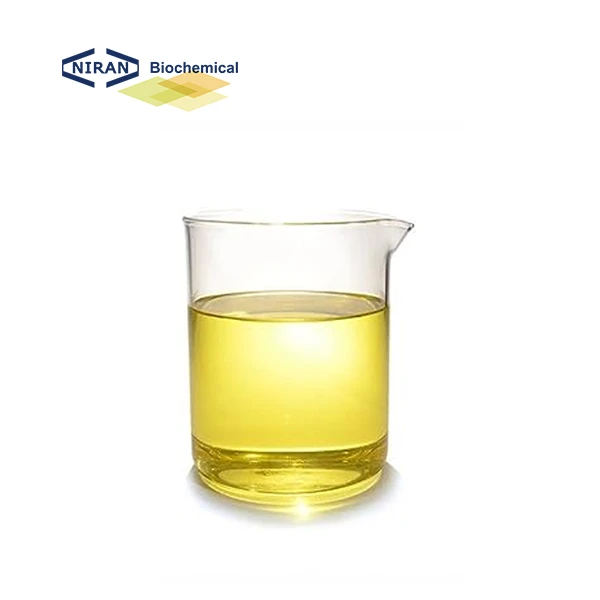
| Appearance | Colorless to Light Yellow Liquid |
| Active Matter | 28% |
| pH Value | 7.0 – 9.5 |
| Packaging | 170kg Drum / 220kg Drum / IBC Tank |
| MOQ | 1000 KG |
Sodium Lauryl Ether Sulfate 28%
Sodium Lauryl Ether Sulfate 28% Bulk Supplier
Niran Bio is a professional Sodium Lauryl Ether Sulfate 28% supplier, providing stable bulk sourcing and wholesale solutions for personal care, household cleaning, and liquid detergent formulation industries worldwide. We support distributors, formulators, manufacturers, and industrial buyers with flexible supply options tailored to different technical and commercial requirements.
We cooperate with qualified Sodium Lauryl Ether Sulfate manufacturers to ensure consistent active matter content, stable quality, and reliable global supply for personal care and liquid cleaning applications.
Niran Biochemical can provide technical and quality documentation including COA, MSDS, TDS, specification sheets, and relevant compliance documents to support sourcing and product evaluation.
What Is Sodium Lauryl Ether Sulfate 28%?
Sodium Lauryl Ether Sulfate 28% (SLES 28%), also known as Sodium Laureth Sulfate (AES), is a medium-concentration anionic surfactant produced through the ethoxylation of fatty alcohols followed by sulfation and neutralization.
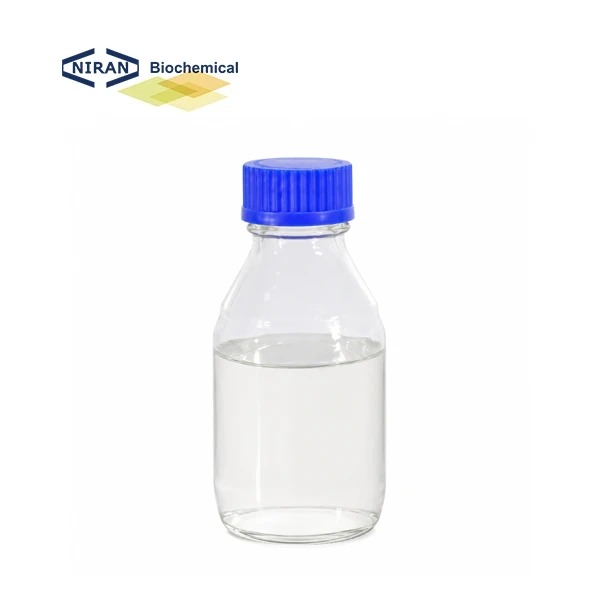
It is supplied as a clear to slightly yellow liquid with good fluidity, allowing direct use in liquid formulations without the need for pre-dilution. Compared to high-concentration grades such as SLES 70%, SLES 28% offers easier handling, faster processing, and improved formulation convenience, making it particularly suitable for personal care products and liquid cleaning systems.
It provides a balanced combination of detergency, foaming performance, and emulsification, while maintaining relatively good mildness compared to traditional sulfates such as SLS.
Key Functions
Sodium Lauryl Ether Sulfate 28% serves as a versatile anionic surfactant, providing effective cleansing, stable foam performance, and good formulation compatibility across personal care and cleaning applications.
- Effective Cleansing Performance
Provides reliable removal of oils, dirt, and residues through strong surface activity. It reduces surface tension and allows water to effectively penetrate and lift contaminants from skin, hair, fabrics, and hard surfaces. - Rich and Stable Foam
Generates abundant, fine, and stable foam in liquid systems. This improves user experience and enhances perceived cleaning efficiency in products such as shampoos, body washes, and liquid soaps. - Balanced Mildness
Offers improved mildness compared to traditional sulfate surfactants such as SLS, making it suitable for daily-use personal care formulations when combined with co-surfactants. - Good Emulsification Capability
Effectively emulsifies oils and greasy substances, allowing them to be dispersed and rinsed away easily in both personal care and household cleaning products. - Excellent Formulation Compatibility
Compatible with amphoteric and nonionic surfactants such as Cocamidopropyl Betaine (CAPB), enabling flexible adjustment of viscosity, foam structure, and skin feel. - Ready-to-Use Processing Advantage
Supplied as a liquid with moderate viscosity, SLES 28% can be directly incorporated into formulations, simplifying production processes and improving manufacturing efficiency.
Applications
Sodium Lauryl Ether Sulfate 28% is widely used as a primary surfactant in personal care and liquid cleaning products due to its balanced performance, ease of use, and formulation flexibility.
- Shampoos and Hair Cleansers
Functions as the main cleansing agent, effectively removing sebum and buildup while generating rich foam. Commonly used with co-surfactants to improve mildness and conditioning performance. - Body Washes and Facial Cleansers
Provides stable foam and balanced cleansing performance in liquid skin care formulations, supporting daily-use applications with acceptable skin compatibility. - Liquid Hand Soaps
Ensures consistent cleaning performance and foam generation for frequent-use hygiene products while maintaining formulation stability. - Dishwashing Liquids
Delivers reliable grease removal and foam stability, helping to effectively clean food residues and oils in kitchen applications. - General Household Cleaners
Used in all-purpose cleaners and liquid detergents where moderate to strong cleaning performance and formulation ease are required.
Specifications
| Product Name | Sodium Lauryl Ether Sulfate 28% |
| INCI Name | Sodium Laureth Sulfate |
| Abbreviation | SLES / AES |
| CAS Number | 68585-34-2 |
| Chemical Formula | C₁₂H₂₅(OCH₂CH₂)ₙOSO₃Na |
| Appearance | Colorless to Light Yellow Liquid |
| Active Matter | 28% ±2 |
| pH Value (as supplied) | 7.0 – 9.5 |
| Sodium Sulfate | ≤ 1.5% |
| Unsulfated Matter | ≤ 3.5% |
| 1,4-Dioxane | ≤ 30 ppm |
| Packaging | 170kg / 220kg Drum / IBC Tank |
| MOQ | 1000 KG |
Why Choose Niran Biochemical
Flexible Sourcing Network
We connect you with the right manufacturers based on your pricing and specification needs.
Stable Supply Assurance
Diversified supply channels ensure consistent availability and reduce supply risks.
Cost-Effective Solutions
Optimized sourcing strategy helps provide competitive pricing for bulk orders.
Global Export Experience
Serving clients in over 100 countries with reliable logistics and documentation support.
Responsive Service
Fast quotation and professional support for personal care, household cleaning, and industrial applications.
Quality & Documentation
COA, MSDS, TDS, specification sheets, and relevant compliance documents available upon request.
FAQs
What is the main advantage of SLES 28% compared to SLES 70%?
SLES 28% is supplied as a ready-to-use liquid, allowing direct use in formulations without pre-dilution. In contrast, SLES 70% is a high-concentration paste that requires dilution before use, making SLES 28% more convenient for small to medium-scale production.
Is SLES 28% suitable for sulfate-free or mild formulations?
No. SLES is a sulfate-based surfactant and is not suitable for sulfate-free formulations. However, it can be combined with amphoteric or nonionic surfactants to improve mildness and reduce irritation potential in standard formulations.
How does water quality affect SLES 28% performance?
SLES 28% maintains good performance in normal water conditions, but high hardness levels (calcium and magnesium ions) may slightly reduce foaming efficiency. This can be mitigated by adding chelating agents or formulation adjustments.
How does SLES 28% affect formulation viscosity?
SLES 28% contributes to base viscosity, which can be further adjusted using salt or co-surfactants depending on the desired product consistency.
Is SLES 28% biodegradable?
Yes, SLES is readily biodegradable and complies with global environmental requirements for surfactants used in personal care and cleaning applications.
Related Toluene diamine polyether series
Get Bulk Sodium Lauryl Ether Sulfate 28% Price
Submit your inquiry to receive a quotation within 24 hours.