
Soda ash — sodium carbonate (Na₂CO₃) — is one of the most important basic industrial chemicals in the world. It is a white, odorless powder or granule that is highly soluble in water and strongly alkaline in solution. Its combination of alkalinity, flux properties, and reactivity with acids and other compounds makes it indispensable across glass manufacturing, detergents, chemicals, water treatment, and several other industries. Annual global production exceeds 60 million metric tons, making it one of the top 10 most produced industrial chemicals.
Short answer: Soda ash is sodium carbonate (Na₂CO₃), available in dense and light grades. It is used primarily in glass manufacturing (as a flux to lower melting point), detergent production (as a builder and pH adjuster), chemical manufacturing (as a raw material and neutralizing agent), and water treatment (for pH adjustment and softening). It is a mild alkali — less corrosive than caustic soda but still requires appropriate handling.
What Is Soda Ash?
Soda ash is the commercial name for anhydrous sodium carbonate. It is produced either synthetically via the Solvay process (reacting salt, limestone, and ammonia) or by mining and processing natural trona deposits (primarily in Wyoming, USA). Both routes produce the same chemical compound; the choice between them is primarily economic and geographic.
Niran Chemical supplies Soda Ash in dense and light grades with COA, MSDS, and TDS available for B2B buyers.
- Chemical name: Sodium Carbonate (anhydrous)
- Common name: Soda Ash, Washing Soda (hydrated form)
- CAS number: 497-19-8
- Chemical formula: Na₂CO₃
- Molecular weight: 105.99 g/mol
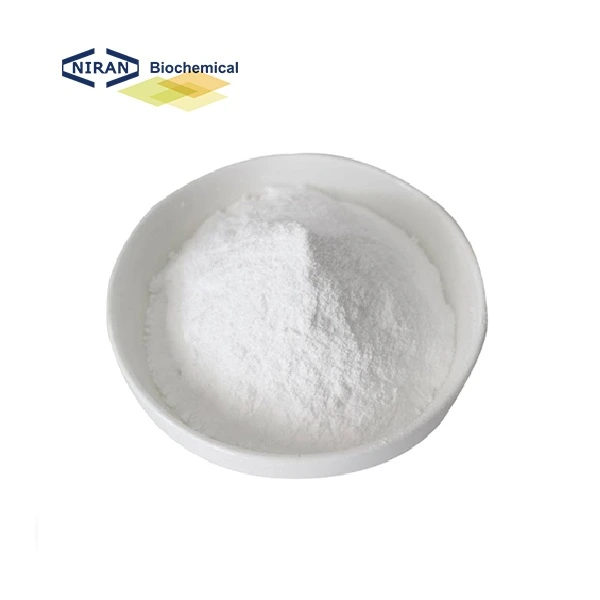
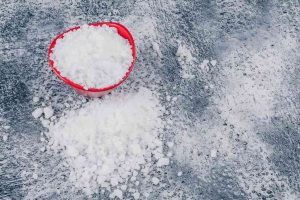
- Appearance: White powder or granules
- pH (1% solution): ~11.5 (moderately alkaline)
- Solubility: ~215 g/L at 20°C (highly soluble)
Dense vs Light Soda Ash: Which Grade to Choose?
Soda ash is commercially available in two main physical grades — dense and light — which differ in bulk density and particle size but have identical chemical composition and purity.
| Parameter | Dense Soda Ash | Light Soda Ash |
|---|---|---|
| Bulk density | ~1,000–1,100 kg/m³ | ~500–600 kg/m³ |
| Particle size | Larger granules | Fine powder |
| Dustiness | Low | Higher — requires dust control |
| Flow properties | Better — less caking | More prone to caking in humid conditions |
| Primary use | Glass manufacturing, detergents, general industrial | Chemical manufacturing, some detergent applications |
| Shipping efficiency | Better — higher bulk density means more per container | Less efficient per container volume |
Dense soda ash is the preferred grade for most industrial applications due to its better handling properties, lower dustiness, and more efficient shipping. Light soda ash is used where faster dissolution or specific particle size requirements are needed, such as in certain chemical manufacturing processes.
Industrial Applications
Glass Manufacturing
Glass manufacturing is the largest single application for soda ash globally, consuming approximately 50% of total production. Soda ash acts as a flux in glass production — it lowers the melting point of silica (sand) from approximately 1,700°C to around 1,000°C, making glass production economically feasible. Without soda ash, the energy cost of melting silica would be prohibitive.
Soda ash is used in the production of flat glass (windows, automotive glass), container glass (bottles, jars), fiberglass, and specialty glass. The resulting glass is called soda-lime glass — the most common type of glass in the world. Dense grade soda ash is standard for glass manufacturing due to its handling and feeding properties in industrial furnaces.
Detergents and Cleaning Products
Soda ash is a key ingredient in powder laundry detergents and dishwasher detergents, where it serves multiple functions:
- Builder: Sequesters calcium and magnesium ions in hard water, preventing them from interfering with surfactant performance and improving cleaning efficiency
- pH adjuster: Raises the pH of the wash solution to the alkaline range (pH 9–11) where surfactants and enzymes work most effectively
- Filler and carrier: Provides bulk and acts as a carrier for other active ingredients in powder formulations
In liquid detergents, soda ash is less commonly used (sodium carbonate can cause precipitation issues in liquid systems), but it appears in some concentrated powder and tablet formulations.
Chemical Manufacturing
Soda ash is an important raw material and intermediate in chemical manufacturing. Key applications include:
- Production of sodium bicarbonate (baking soda) by carbonation
- Production of sodium silicate (water glass) by fusion with silica
- Production of sodium chromate and dichromate for pigments and chemicals
- Neutralization of acidic process streams in chemical plants
- Production of various sodium salts used in pharmaceuticals, food, and specialty chemicals
Water Treatment
In water treatment, soda ash is used for pH adjustment and water softening. It raises the pH of acidic water to reduce corrosivity and prevent leaching of metals from pipes and equipment. In lime-soda softening processes, soda ash reacts with calcium bicarbonate to precipitate calcium carbonate, reducing water hardness. It is also used in swimming pool water treatment to raise pH and total alkalinity.
Pulp and Paper
In the pulp and paper industry, soda ash is used in the kraft pulping process as a makeup chemical to replace sodium losses in the chemical recovery cycle. It is also used in the bleaching stage and in the production of certain specialty papers.
Other Applications
- Metallurgy: Used as a flux in metal smelting and refining processes
- Food processing: Food-grade sodium carbonate (E500) is used as a leavening agent, acidity regulator, and anti-caking agent in certain food applications
- Textile processing: Used in dyeing and finishing processes as a pH adjuster and fixative for reactive dyes
- Mining: Used in flotation processes and as a pH modifier in mineral processing
Soda Ash vs Caustic Soda: Key Differences
Soda ash and caustic soda (sodium hydroxide) are both sodium-based alkalis widely used in industry, but they have different strengths and applications:
| Parameter | Soda Ash (Na₂CO₃) | Caustic Soda (NaOH) |
|---|---|---|
| pH (1% solution) | ~11.5 (moderate alkali) | ~13 (strong alkali) |
| Corrosivity | Mild — irritant but not severely corrosive | Highly corrosive — causes severe burns |
| Reactivity | Moderate — reacts with acids, CO₂ | High — reacts vigorously with acids, water, metals |
| Primary use | Glass, detergents, water treatment, chemical intermediate | Chemical manufacturing, pulp and paper, saponification, water treatment |
| Handling risk | Lower — standard industrial precautions | Higher — requires strict PPE and handling protocols |
Soda ash is the milder option and is preferred where a moderate alkalinity is sufficient. Caustic soda is used where stronger alkalinity or higher reactivity is required.
Safety and Handling
Soda ash is significantly less hazardous than caustic soda, but still requires appropriate precautions:
- Irritation: Dust can irritate eyes, skin, and respiratory tract. Use dust masks, eye protection, and gloves when handling powder grades.
- Skin contact: Prolonged contact with moist skin can cause irritation. Wash thoroughly after handling.
- Moisture sensitivity: Soda ash absorbs moisture from the air and can cake. Store in sealed, dry containers.
- Incompatibilities: Reacts with strong acids (generating CO₂), aluminum, and certain organic compounds. Keep away from strong acids in storage.
- Transport: Not classified as a dangerous good under most transport regulations at standard concentrations, but check local requirements for large quantities.
Frequently Asked Questions
What is soda ash used for?
The primary industrial uses of soda ash are glass manufacturing (as a flux to lower the melting point of silica), powder detergent production (as a builder and pH adjuster), chemical manufacturing (as a raw material and neutralizing agent), and water treatment (for pH adjustment and softening). It is also used in pulp and paper, textiles, metallurgy, and food processing.
What is the difference between dense and light soda ash?
Dense and light soda ash have identical chemical composition (Na₂CO₃) and purity — the difference is physical. Dense soda ash has larger granules and higher bulk density (~1,000–1,100 kg/m³), making it easier to handle, less dusty, and more efficient to ship. Light soda ash is a fine powder with lower bulk density (~500–600 kg/m³). Dense grade is preferred for most industrial applications including glass manufacturing and detergents.
Is soda ash the same as baking soda?
No. Soda ash is sodium carbonate (Na₂CO₃); baking soda is sodium bicarbonate (NaHCO₃). They are related compounds — sodium bicarbonate can be produced from soda ash by carbonation — but they have different properties and uses. Soda ash is more alkaline (pH ~11.5 vs ~8.3 for baking soda) and is used in industrial applications. Baking soda is milder and is used in food, personal care, and light cleaning applications.
What is the difference between soda ash and caustic soda?
Soda ash (sodium carbonate, Na₂CO₃) is a moderate alkali with pH ~11.5. Caustic soda (sodium hydroxide, NaOH) is a strong alkali with pH ~13. Caustic soda is significantly more corrosive and reactive than soda ash. Soda ash is used where moderate alkalinity is sufficient (glass, detergents, water treatment); caustic soda is used where stronger alkalinity is needed (chemical manufacturing, pulp and paper, saponification).
Can soda ash be used in food applications?
Yes, food-grade sodium carbonate (E500 in the EU) is approved for use in certain food applications as a leavening agent, acidity regulator, and anti-caking agent. Food-grade soda ash must meet strict purity specifications for heavy metals and other impurities. Always verify that the grade being used meets applicable food additive specifications for the target market.
Conclusion
Soda ash is a fundamental industrial chemical whose combination of moderate alkalinity, high solubility, and broad reactivity makes it indispensable across glass manufacturing, detergents, chemical production, and water treatment. Dense grade is the standard for most industrial applications; light grade is used where specific particle size or dissolution rate requirements apply. As a milder alternative to caustic soda, it is the preferred alkali where strong corrosivity is not needed.
Niran Chemical supplies Soda Ash in dense and light grades for industrial applications, with COA, MSDS, and TDS available on request.