

Chlorine-based disinfectants remain the gold standard for water treatment across municipal systems, industrial facilities, and public sanitation applications. Among the various options available, calcium hypochlorite and sodium hypochlorite are the two most widely utilized chemical compounds.
While both serve as highly effective sources of available chlorine, they differ significantly in their physical form, chemical stability, application methods, and logistical requirements. For importers, distributors, and industrial end-users, selecting the right product is not merely a matter of disinfection performance—it directly impacts cost efficiency, storage management, and supply chain practicality. This comprehensive guide provides a detailed comparison to help you determine which option best aligns with your specific water treatment needs.
Quick Comparison Overview
| Property | Calcium Hypochlorite | Sodium Hypochlorite |
|---|---|---|
| Physical Form | Solid (powder, granule, tablet) | Liquid solution |
| Available Chlorine | 65–70% | 10–15% |
| Stability | High | Low |
| Shelf Life | Long (months to years) | Short (weeks to months) |
| Transport Efficiency | High | Low |
| Typical Applications | Pools, emergency disinfection, rural water | Municipal systems, continuous dosing |
| Handling | Requires dissolution before use | Ready to use |
What Is Calcium Hypochlorite?
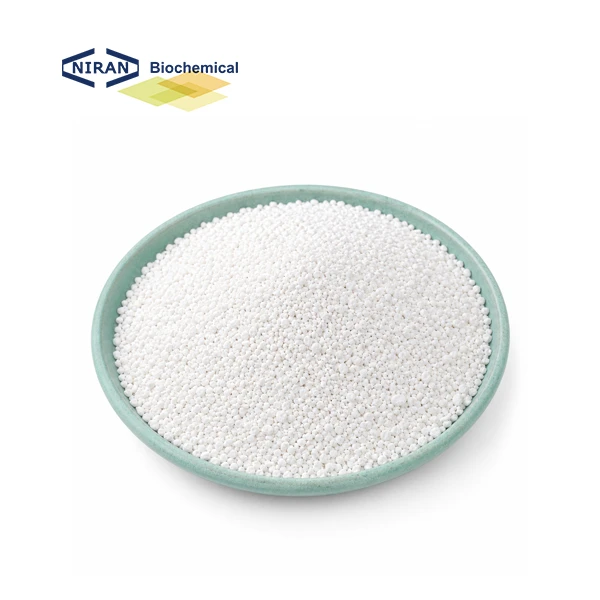
Calcium hypochlorite is a robust, solid chlorine compound extensively manufactured for heavy-duty disinfection purposes. Typically available in powder, granular, or tablet form, it is highly valued for its concentrated chemical profile.
Key Characteristics
- High Active Concentration: Contains up to 70% available chlorine, offering powerful disinfection in small volumes.
- Superior Chemical Stability: Demonstrates excellent resistance to degradation compared to liquid alternatives.
- Extended Shelf Life: Maintains its potency for months or even years when kept under proper storage conditions.
- Logistical Advantage: Highly resilient and exceptionally suited for long-distance transportation.
Common Applications
- Commercial and residential swimming pool water treatment.
- Emergency drinking water disinfection and disaster relief efforts.
- Rural, remote, and decentralized water supply systems.
- Industrial sanitation where long-term storage stability is critical.
Because of its solid state and dense active content, calcium hypochlorite is the preferred choice for scenarios where transportation infrastructure is limited, storage periods are extended, or reliable long-term availability is paramount.
What Is Sodium Hypochlorite?
Sodium hypochlorite is a clear, yellowish liquid chlorine solution commonly referred to as liquid bleach. Owing to its liquid form, it has become a staple in large-scale, automated water treatment facilities.
Key Characteristics
- Moderate Concentration: Typically yields a 10–15% available chlorine strength in commercial grades.
- Ready-to-Use Liquid Form: Eliminates the need for pre-dissolution or complex mixing before application.
- Rapid Decomposition: Prone to natural degradation, accelerated heavily by exposure to heat and sunlight.
- Strict Storage Requirements: Mandates temperature-controlled environments and specialized containment.
Common Applications
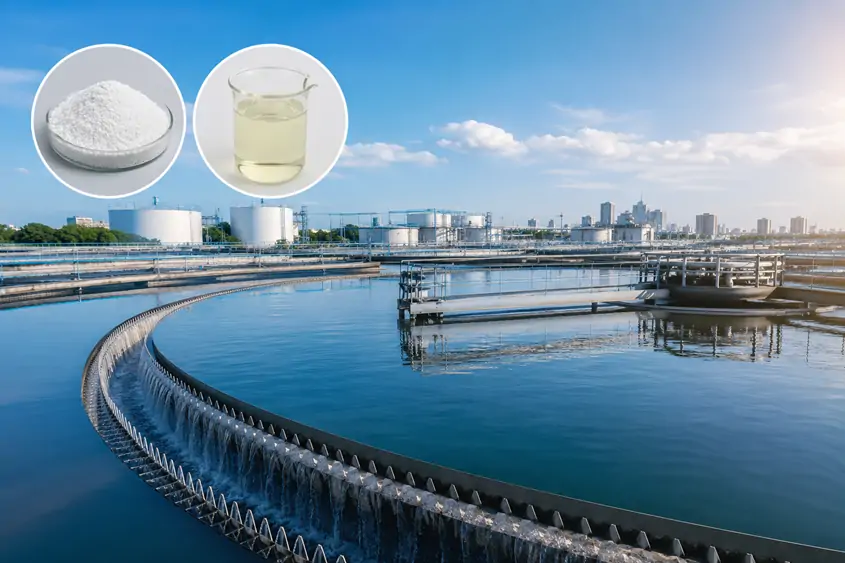
- Large-scale municipal water treatment plants.
- Industrial cooling towers and process water systems utilizing automated dosing.
- Municipal and industrial wastewater treatment facilities.
- Continuous, high-volume disinfection processes.
Sodium hypochlorite shines brightest in localized operations where sophisticated chemical dosing infrastructure is already established and product turnover is rapid.
Key Differences That Impact Your Decision
1. Stability and Shelf Life
The divergent stability profiles of these two chemicals represent a critical decision factor for supply chain managers. Calcium hypochlorite offers an exceptionally long shelf life; stored in a cool, dry environment, it retains its active chlorine content with minimal loss over time. Conversely, sodium hypochlorite is inherently unstable and degrades continuously. Its available chlorine levels drop significantly over weeks, a process accelerated by heat, light, or minor contaminants. For international importers or facilities with fluctuating consumption cycles, this degradation can lead to unpredictable dosing and unexpected financial loss.
2. Transportation and Logistics
From a logistical perspective, the physical state of the chemical dictates the entire supply chain budget.
- Calcium hypochlorite (Solid): Being a highly concentrated solid, it dramatically reduces the shipping volume and weight required per unit of chlorine. This high transport efficiency makes it the undisputed standard for international maritime trade and long-distance hauling.
- Sodium hypochlorite (Liquid): Shipping liquid bleach means paying heavily to transport water. Furthermore, it requires specialized, corrosion-resistant tankers or IBC totes. The risk of product degradation during extended transit times makes it highly impractical for long-distance export.
3. Application Methods
The operational setup of your facility will heavily influence your product choice. Calcium hypochlorite must generally be dissolved in water to create a stock solution before being fed into the system, making it ideal for manual dosing, batch treatment, or smaller-scale operations like swimming pools. On the other hand, sodium hypochlorite is fed directly from the delivery container into the water stream via chemical metering pumps. This seamless integration makes it highly efficient for automated, continuous, and high-volume industrial operations.
4. Cost Considerations
A true cost analysis must look past the initial purchase price to evaluate the total cost of ownership. While sodium hypochlorite often appears cheaper upfront on a per-gallon basis, its lower chlorine concentration and short shelf life can inflate long-term operational costs due to product wastage and frequent deliveries. Conversely, calcium hypochlorite delivers a much higher yield of active chlorine per pound. When factoring in reduced shipping fees, minimal storage loss, and lower handling risks over long distances, the solid compound frequently provides superior economic value for export-driven supply chains.
Application-Based Selection Guide
Choose Calcium Hypochlorite if:
- You require a long shelf life and flexible storage timelines.
- You are importing or distributing chemicals over long international distances.
- Your application demands a high concentration of available chlorine in a small physical footprint.
- You operate in regions with limited infrastructure or variable climate control.
- You need a dependable, stable solution for emergency water purification.
Choose Sodium Hypochlorite if:
- You manage a large-scale municipal or industrial water treatment facility.
- Your facility is equipped with fully automated chemical dosing systems.
- Your supply chain guarantees rapid product consumption immediately after delivery.
- Your process requires precise, continuous, and highly controlled chlorine injection.
- Your local storage turnover is fast, predictable, and close to the chemical manufacturer.
Can They Be Used Interchangeably?
While both chemicals release identical hypochlorous acid upon entering water, they are not directly interchangeable within an existing system. The profound differences in their physical states, chemical strengths, and pH impacts mean that transitioning a facility from one to the other is a major operational shift. Such a change typically requires upgrading injection equipment, recalibrating automated dosing systems, adapting safety protocols, and redesigning storage facilities. Therefore, your choice should align strictly with your current engineering infrastructure rather than being viewed as a casual substitution.
Safety and Handling Considerations
As potent oxidizing agents, both calcium hypochlorite and sodium hypochlorite demand strict adherence to safety standards.
- Contamination Risks: Both must be kept strictly isolated from incompatible materials, particularly acids, organic compounds, and fuels, which can trigger violent exothermic reactions or toxic gas release.
- Storage Environment: Ensure all storage areas are well-ventilated, dry, and shielded from direct sunlight.
- Compliance & PPE: Always consult the Material Safety Data Sheet (MSDS) and ensure operators are equipped with appropriate personal protective equipment (PPE), including chemical-resistant gloves, goggles, and aprons.
From a practical standpoint, while liquid sodium hypochlorite eliminates the dust hazards associated with mixing, it poses severe spill-containment challenges. Solid calcium hypochlorite requires more preparation labor but offers safer long-term containment.
Conclusion
In the realm of water treatment, both calcium hypochlorite and sodium hypochlorite serve as essential, highly effective disinfectants, yet they cater to entirely different operational models.
Calcium hypochlorite is the definitive champion for shelf stability, high chlorine concentration, and global logistical efficiency. Meanwhile, sodium hypochlorite offers unparalleled operational convenience and precision for localized, large-scale, automated systems. For importers, distributors, and engineers alike, the final decision hinges on balancing your logistical constraints, storage capacity, and specific application infrastructure. By thoroughly evaluating these variables, you can optimize both the operational safety and the cost-effectiveness of your water treatment processes.
As a global supplier of water treatment chemicals, Niran Chemical supports importers and industrial users with stable quality calcium hypochlorite and sodium hypochlorite tailored for different application needs. For bulk supply, technical specifications, or logistics support, our team is ready to assist with reliable and compliant solutions.
FAQ
1. Which product has a longer shelf life?
Calcium hypochlorite has a vastly superior shelf life. As a stable solid, it can be stored for months or even years without significant loss of potency, whereas liquid sodium hypochlorite begins degrading within weeks of production.
2. Which chemical is more suitable for international export?
Calcium hypochlorite is highly preferred for international trade. Its solid form and high concentration (65–70% available chlorine) make it far more economical to ship long distances compared to bulk liquid solutions.
3. Is sodium hypochlorite more convenient to operate?
Yes. For facilities with automated systems, sodium hypochlorite is highly convenient because it is a ready-to-use liquid that can be directly metered into the water line without the labor of dissolving granules or powders.
4. Which option is ultimately more cost-effective?
It depends entirely on your setup. Sodium hypochlorite minimizes localized labor and equipment costs in high-volume, automated municipal plants. However, calcium hypochlorite is more cost-effective when factoring in long-distance shipping, prolonged storage, and high active-chlorine requirements.
5. Which is better suited for emergency water treatment?
Calcium hypochlorite is the industry standard for emergency and disaster-relief water treatment due to its ease of transport, stability under harsh conditions, and reliable long-term storage capabilities.
As a global supplier of water treatment chemicals, Niran Chemical supports importers and industrial users with stable quality calcium hypochlorite and sodium hypochlorite tailored for different application needs. For bulk supply, technical specifications, or logistics support, our team is ready to assist with reliable and compliant solutions.