
Methylparaben and Propylparaben are the two most widely used members of the paraben preservative family. They appear together on ingredient lists so frequently that many people assume they are interchangeable — or simply two names for the same thing. They are not. While both are esters of p-hydroxybenzoic acid and both function as antimicrobial preservatives, they have meaningfully different properties that determine where each one works best and why the industry almost always uses them together rather than separately.
Short answer: Methylparaben is more water-soluble and primarily protects the aqueous phase of formulations. Propylparaben is more lipophilic and primarily protects the oil phase. Used together, they provide broad-spectrum preservation across both phases of an emulsion — which is why the combination has been the industry standard for decades.
What Are Methylparaben and Propylparaben?
Both are esters of p-hydroxybenzoic acid, differing only in the length of the alkyl chain attached to the ester group. Methylparaben has a methyl group (one carbon); Propylparaben has a propyl group (three carbons). This seemingly small structural difference has significant consequences for solubility, phase distribution, antimicrobial potency, and regulatory limits.
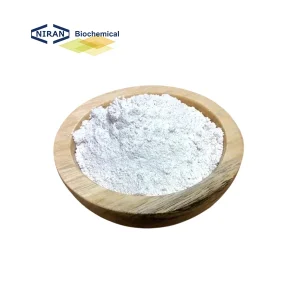
Methylparaben
- INCI name: Methylparaben
- CAS number: 99-76-3
- Chemical formula: C₈H₈O₃
- Molecular weight: 152.15 g/mol
- Appearance: White crystalline powder
- Water solubility: ~2.5 g/L at 25°C (slightly soluble)
- Melting point: 125°C – 128°C
Propylparaben
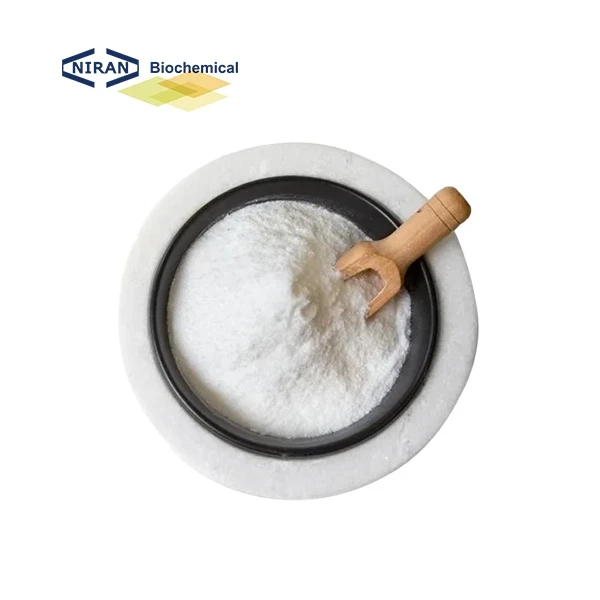
- INCI name: Propylparaben
- CAS number: 94-13-3
- Chemical formula: C₁₀H₁₂O₃
- Molecular weight: 180.20 g/mol
- Appearance: White crystalline powder
- Water solubility: ~0.5 g/L at 25°C (sparingly soluble)
- Melting point: 96°C – 99°C
Methylparaben vs Propylparaben: Key Differences
| Parameter | Methylparaben | Propylparaben |
|---|---|---|
| Alkyl chain length | Methyl (C1) | Propyl (C3) |
| Molecular weight | 152.15 g/mol | 180.20 g/mol |
| Water solubility | ~2.5 g/L (higher) | ~0.5 g/L (lower) |
| Oil solubility / lipophilicity | Lower | Higher |
| Primary phase activity | Aqueous phase | Oil phase |
| Antimicrobial potency | Moderate | Higher (longer chain = stronger activity) |
| Strongest against | Bacteria (esp. gram-positive) | Fungi, mold, yeast |
| Typical use level (cosmetics) | 0.1% – 0.3% | 0.01% – 0.1% |
| EU max (single) | 0.4% | 0.14% |
| EU max (combined parabens) | 0.8% total | |
| Thermal stability | Good | Slightly better (more stable under heat/light) |
| pH stability range | 4.0 – 8.0 | 4.0 – 8.0 |
| COSMOS approved | No | No |
The Phase Distribution Principle: Why They Work Better Together
The most important — and least discussed — difference between Methylparaben and Propylparaben is how they distribute between the water and oil phases of an emulsion. This is the real reason the two are almost always used in combination.
In an emulsion (a cream, lotion, or conditioner), the preservative must be present in both the water phase and the oil phase to protect against microbial contamination in both environments. A preservative that concentrates entirely in the water phase leaves the oil phase unprotected; one that concentrates in the oil phase leaves the water phase vulnerable.
Methylparaben, being more water-soluble, distributes preferentially into the aqueous phase. Propylparaben, being more lipophilic, distributes preferentially into the oil phase. Together, they cover both phases with a lower total preservative concentration than would be needed if either were used alone at full strength.
This complementary phase distribution — not just the difference in antimicrobial spectrum — is the primary scientific rationale for the Methylparaben/Propylparaben combination. It is why the combination appears in the majority of emulsion-based cosmetic formulations that use paraben preservation.
Antimicrobial Spectrum
As a general rule in the paraben family, antimicrobial potency increases with alkyl chain length. Propylparaben is therefore more potent than Methylparaben on a per-gram basis — meaning a lower concentration of Propylparaben achieves the same inhibitory effect against many microorganisms.
However, the two parabens have slightly different strengths across microbial types:
- Methylparaben is more effective against gram-positive bacteria and provides reliable bacterial protection in the aqueous phase where it concentrates.
- Propylparaben shows stronger activity against fungi, mold, and yeast, and provides better protection in the oil phase.
Neither paraben alone provides complete broad-spectrum coverage across all relevant microbial challenges in a complex emulsion formulation. The combination addresses this gap.
Regulatory Status
Both Methylparaben and Propylparaben are regulated preservatives with specific concentration limits in major markets:
- European Union: Methylparaben is permitted up to 0.4% (as a single preservative). Propylparaben is permitted up to 0.14% (as a single preservative). When used in combination with other parabens, the total paraben concentration must not exceed 0.8%. The EU SCCS has concluded that Propylparaben and Butylparaben should not be used in products for children under 3 years, particularly in the nappy area, due to potential endocrine effects at higher exposures.
- United States (FDA): Both are permitted in cosmetics without specific concentration limits. The CIR Expert Panel has assessed parabens and concluded they are safe for use in cosmetics at current concentrations. The FDA states it does not have information showing parabens as used in cosmetics have adverse health effects, while noting ongoing scientific review.
- Japan: Both permitted in cosmetics up to 1.0% (combined).
- China: Both permitted in cosmetics up to 0.4% (single) and 0.8% (combined).
- COSMOS/Natural certification: Neither Methylparaben nor Propylparaben is approved for COSMOS-certified natural or organic formulations.
Applications: Where Each Is Used
| Application | Methylparaben | Propylparaben | Notes |
|---|---|---|---|
| Water-based formulations (toners, serums, gels) | Primary preservative | Optional / low level | Methylparaben’s water solubility makes it the natural choice for aqueous systems |
| Emulsions (creams, lotions, conditioners) | Aqueous phase protection | Oil phase protection | Standard combination; covers both phases |
| Oil-based products (lip balms, ointments) | Limited use | Primary preservative | Propylparaben’s lipophilicity suits oil-phase systems |
| Pharmaceuticals (topical, oral liquid) | Common; USP/BP listed | Common; USP/BP listed | Both listed in pharmacopoeias; often used in combination |
| Food preservation | E218 (EU); FDA approved | E216 (EU); FDA approved | Subject to food-specific concentration limits |
| Products for infants (<3 years) | Use with caution | Avoid (EU SCCS guidance) | EU SCCS recommends against Propylparaben in nappy-area products for infants |
Safety and the Estrogenic Activity Question
The main safety concern associated with parabens is their weak estrogenic activity — the ability to bind to estrogen receptors in the body. This concern drove the consumer backlash against parabens in the mid-2000s and the subsequent shift toward alternatives like Phenoxyethanol.
The scientific picture is more nuanced than the marketing narrative suggests:
- Both Methylparaben and Propylparaben have demonstrated weak estrogenic activity in laboratory studies. Propylparaben shows slightly stronger estrogenic activity than Methylparaben.
- The estrogenic potency of both parabens is orders of magnitude lower than that of naturally occurring estrogens (estradiol). At concentrations used in cosmetics, the estrogenic exposure from parabens is considered negligible by most regulatory bodies.
- The EU SCCS has concluded that Methylparaben is safe at up to 0.4% in cosmetics. For Propylparaben, the SCCS has set a lower limit (0.14%) and recommends against use in infant products, reflecting greater caution about longer-chain parabens.
- Neither paraben releases formaldehyde, distinguishing them from preservatives such as DMDM Hydantoin.
For a broader comparison of paraben and non-paraben preservation options, see our complete guide to Phenoxyethanol.
How to Choose: Methylparaben, Propylparaben, or Both?
- Water-based formulations (toners, essences, gels): Methylparaben alone is often sufficient. Its water solubility ensures effective distribution in aqueous systems. Typical use level: 0.1%–0.3%.
- Emulsion formulations (creams, lotions, conditioners): Use both. The standard combination is Methylparaben (0.1%–0.2%) + Propylparaben (0.02%–0.05%), covering both aqueous and oil phases. This is the most common paraben preservation system in the cosmetic industry.
- Oil-phase or anhydrous formulations: Propylparaben is the more appropriate choice due to its lipophilicity. Methylparaben has limited utility in oil-only systems.
- Products for infants or children under 3: Follow EU SCCS guidance — avoid Propylparaben in products applied to the nappy area. Consider alternative preservation systems for this category.
- Natural or COSMOS-certified formulations: Neither paraben is approved. Use alternatives such as potassium sorbate, sodium benzoate, or plant-derived antimicrobials.
- Markets with stricter paraben regulations: Verify current local limits before specifying. The EU limits for Propylparaben (0.14%) are significantly lower than for Methylparaben (0.4%), which affects formulation design for EU-market products.
Frequently Asked Questions
Why are Methylparaben and Propylparaben always used together?
Because they complement each other. In an emulsion, Methylparaben distributes into the water phase and Propylparaben distributes into the oil phase. Together they protect both phases with a lower total preservative concentration than would be needed if either were used alone. Their different antimicrobial strengths — Methylparaben against bacteria, Propylparaben against fungi — also provide broader spectrum coverage.
Are Methylparaben and Propylparaben safe?
Both are considered safe by major regulatory bodies at permitted concentrations. The EU allows Methylparaben up to 0.4% and Propylparaben up to 0.14% in cosmetics. The US CIR has assessed parabens as safe for cosmetic use. The main area of caution is Propylparaben in products for infants under 3 years, where the EU SCCS recommends avoidance in nappy-area products.
What is the EU concentration limit for Methylparaben and Propylparaben?
Methylparaben: maximum 0.4% as a single preservative. Propylparaben: maximum 0.14% as a single preservative. When used in combination with other parabens, the total paraben concentration must not exceed 0.8%.
Can Methylparaben and Propylparaben be replaced by Phenoxyethanol?
Phenoxyethanol is the most common replacement for parabens in modern cosmetics. It provides broad-spectrum preservation without the estrogenic activity concerns associated with parabens. However, it is not a direct drop-in replacement — it has different strengths (better against gram-negative bacteria) and weaknesses (weaker against fungi) compared to the Methylparaben/Propylparaben combination. Most phenoxyethanol-based systems pair it with a booster such as ethylhexylglycerin to compensate.
Conclusion
Methylparaben and Propylparaben are not interchangeable — they are complementary. Methylparaben handles the water phase; Propylparaben handles the oil phase. Together they provide the broad-spectrum, dual-phase preservation that neither can achieve alone, which is why the combination has remained the industry standard in emulsion-based cosmetics for decades. The decision to use one, the other, or both comes down to formulation type, target market regulatory requirements, and product positioning.
Niran Chemical supplies both Methylparaben and Propylparaben in cosmetic and pharmaceutical grades, with COA, MSDS, and TDS available on request.